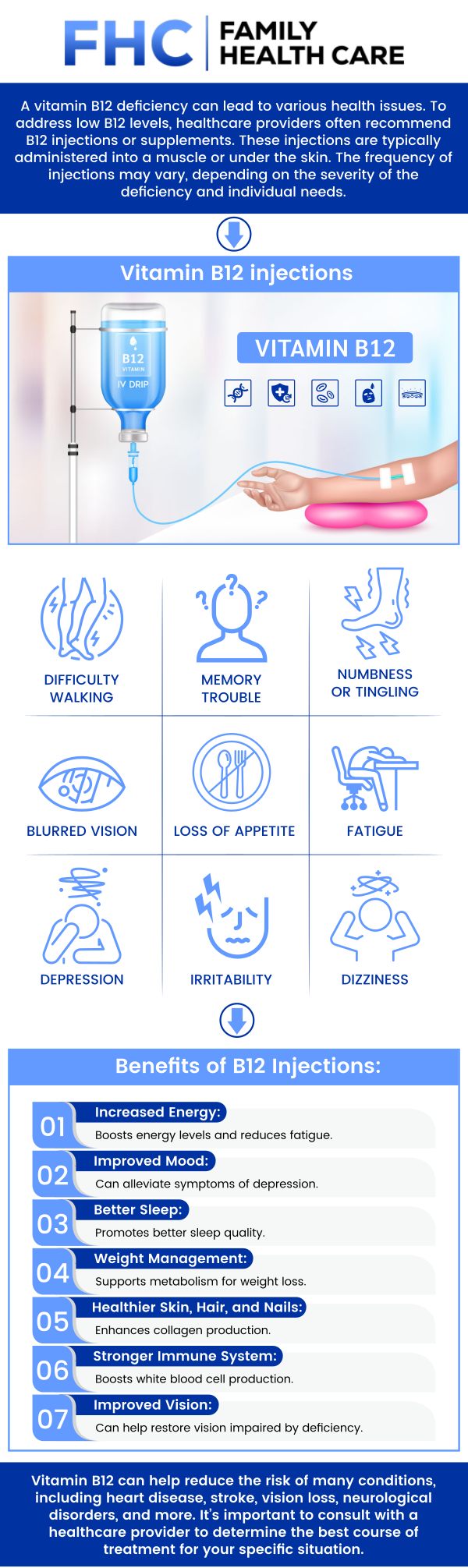
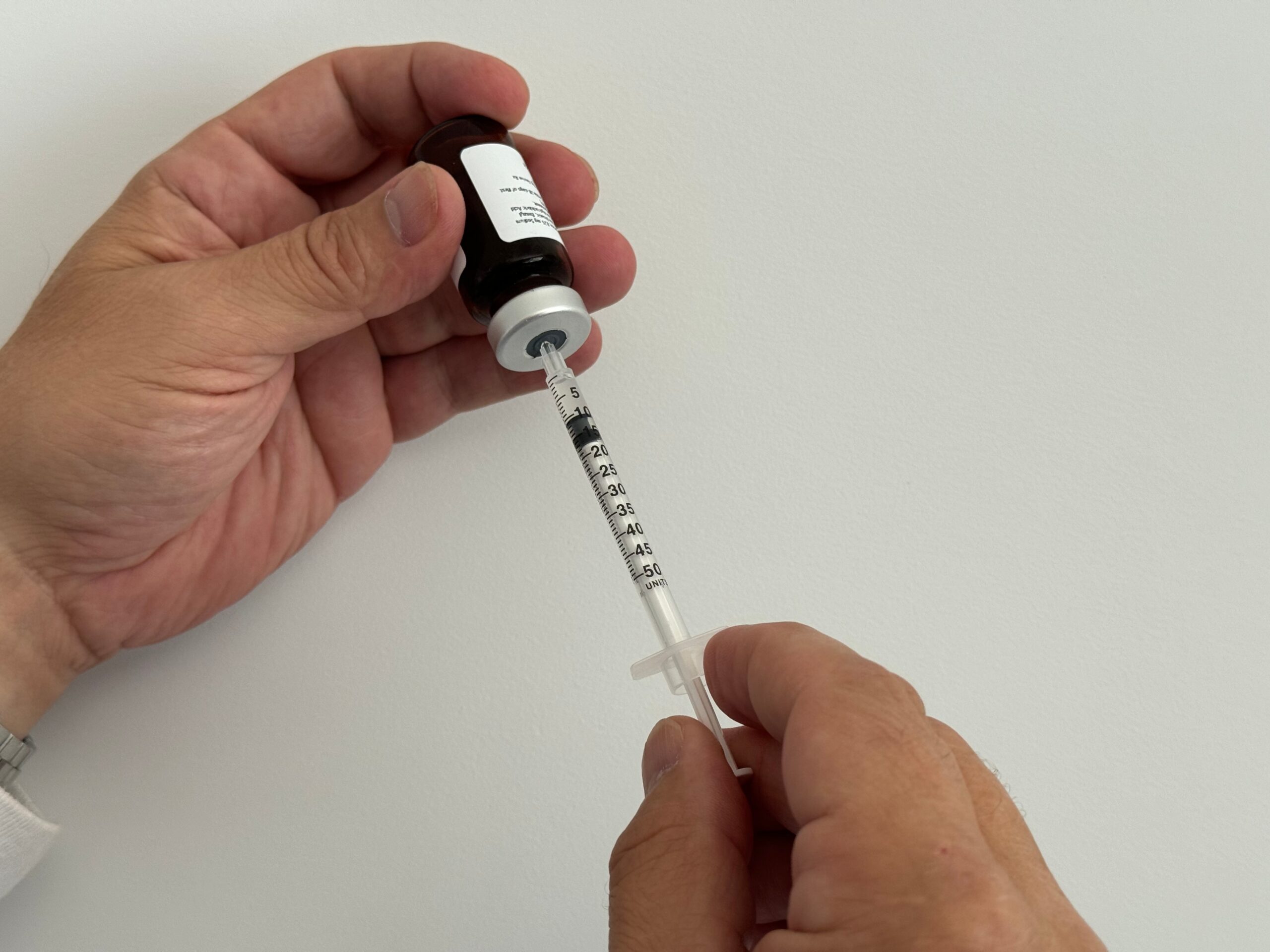
Long-Term Management of B12 Deficiency Managing vitamin B12 deficiency in the long-term typically involves: Regular B12 supplementation, either through injections or oral therapy Dosage can vary from 1 to 5 mg daily Administered over a period of one to four months or until laboratory results indicate improvement in hematologic and/or neurologic functions Consult with a healthcare professional for personalized advice on managing vitamin B12 deficiency in the long-term and determining the most appropriate supplementation method for you
A direct comparison in mice demonstrated that sequential prime-boost vaccination with their three constructs (6 vaccinations in total) induced a stronger antibody response than simultaneous vaccination (prime and then boost with a mixture of all three, 2 vaccinations in total) [149]
Ive lost 60 pounds in 10 months
Individuals with digestive issues: Individuals with digestive conditions such as Crohn's disease or celiac disease may have difficulty absorbing enough B12, making supplementation an important solution
If left untreated, it can cause irreversible damage to the brain, spinal cord, heart, and other organs
ROBINS-I: a tool for assessing risk of bias in non-randomised studies of interventions








:max_bytes(150000):strip_icc()/26Q1_WL_oral-sema_newsroom_1920x1008-1dfa18327b724266bed50c36ab0b9d49.jpg)